
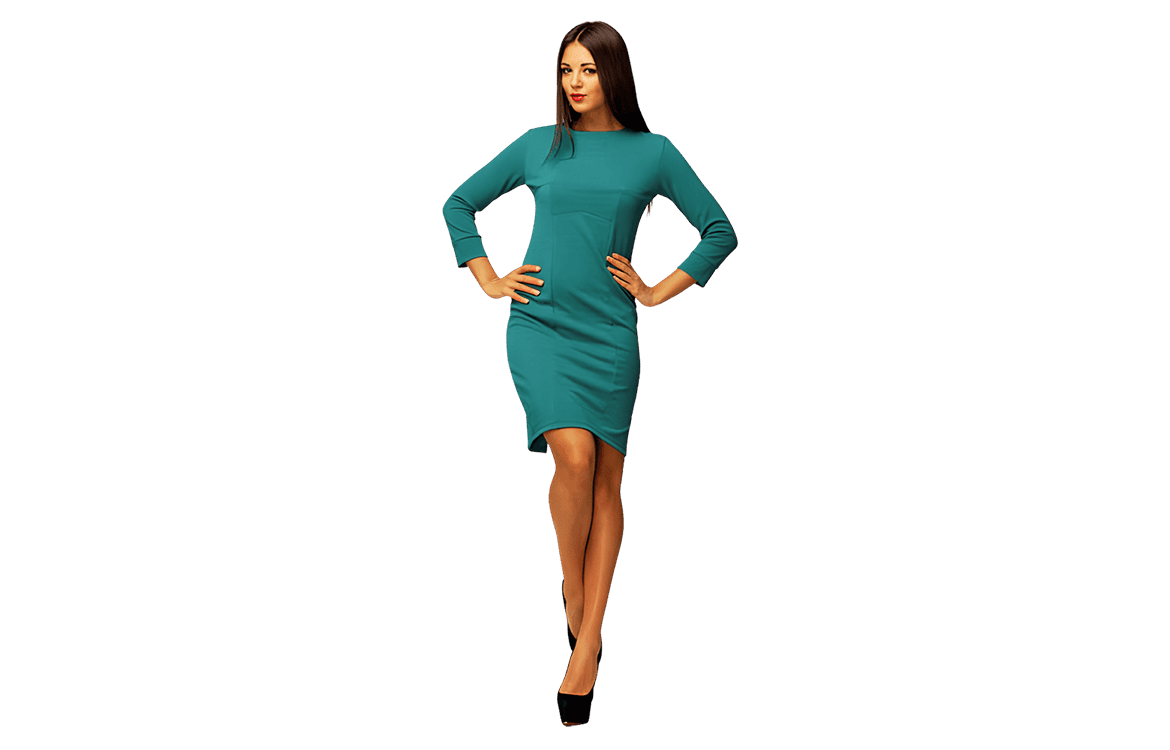
People tend to focus on color, size, or style, when they’re shopping for dresses. Such elements matter a lot, but there’s one more factor that has the quiet power of shaping how a dress truly looks and feels. It’s movement!
How your dress flows as you walk, sit, or turn, makes a huge difference between something that simply fits and something that feels right. You can make more thoughtful choices by understanding movement.
With this understanding, you can ensure that your dress is not only appealing on a hanger, but also on your body. Dresses that naturally work on your body. Let’s explore this guide, which helps in understanding the role played by movement in dress selection.
Why Movement Matters More Than You Think
Your dress is not a static piece of clothing. Whether you’re walking through a busy street, attending an event, or simply going about daily activities, your dress interacts with your body throughout the day.
When your dress allows natural movement, you experience the following:
- It feels more comfortable over long periods
- It adapts to different body positions
- It enhances your overall appearance without effort
Conversely, if you’re wearing a dress that restricts movement, you end up feeling stiff and distracting as well. The dress may look good in a mirror, but in real-life situations, it may not perform well.
Understanding Fabric Flow
A major role in how a dress moves is played by the type of fabric that has been used to make it. While some fabrics glide smoothly, others hold their shape firmly.
- Lightweight fabrics such as chiffon, georgette, and soft cotton flows easily. You get a gentle and relaxed look with these fabrics, as they respond to motion.
- Structured fabrics maintain their form. Some examples include denim, taffeta, or thick polyester. For defined silhouettes such fabrics can be beneficial. But the issue lies in flexibility.
- Jersey or blends with elastane make up stretch fabrics, which offer balance. These materials maintain their shape, while moving with your body.
If you’re choosing a dress, make sure you consider how the fabric will behave throughout an entire day. This may be a small consideration, but it can have massive impacts on your overall day.
The Role of Dress Silhouette
The overall shape of a dress is known as its silhouette. How you experience movement is directly influenced by the silhouette of your dress.
- You can get ease of movement, especially around your legs with A-line dresses.
- Fit-and-flare styles help in creating a dynamic motion, and have a fitted upper part and a flowing bottom.
- Looking for dresses that follow the shape of your body closely? Bodycon dresses are appropriate for you. Such dresses limit mobility.
- Maxi dresses are designed to either flow gracefully or feel restrictive, depending on the type of cut.
Your comfort level and the setting you’re heading to are the two crucial factors that must be considered before choosing the right silhouette. For instance, you can wear a flowing silhouette at an outdoor event. Contrarily, a more structured option will suit formal settings.
Walking, Sitting, and Turning: Real-Life Tests
You must think beyond standing still, before deciding on a dress that you’re going to purchase. You must consider the behavior of the dress during everyday actions.
Walking
If the dress allows a natural stride, you’re good to go. If it has tight hems or
narrow cuts, it tends to restrict
movement.
Sitting
Consider if the fabric is bunching up, or staying smooth. For longer wear, you must
consider comfort while sitting.
Turning
Understand whether the dress flows naturally or is stiff. This helps in revealing
how flexible your dress is.
When you’re testing a dress or trying it on, you must consider all these movements. You will get a clearer picture of how the dress performs outside the fitting room, with these tests.
Length and Movement Balance
How you experience movement depends significantly on the length of your dress.
- You end up with more freedom with short dresses, but these require attention to coverage as well.
- You will get a balanced look with moderate flow, if you’re wearing a midi dress.
- Long or maxi dresses help in creating an elegant movement, but they tend to feel heavy, if they’re not designed well.
You must stick to the dress length that is appropriate alignment with the level of activity that you undertake in your daily life. During a relaxed evening, you may wear a flowing maxi dress, whereas, a midi dress can help during practical work or busy days.
The Influence of Design Details
How your dress moves are dependent on small design elements by significant margins.
Slits
Allow easier walking and add flexibility to longer dresses
Pleats
Enhance flow by creating structured movement
Layers
Add depth and dimension, especially when the fabric is lightweight
Elastic waistbands or adjustable features
Improve comfort and adaptability
These details often go unnoticed at first glance but play a major role in how a dress feels throughout the day.
Matching Movement with Occasion
Different levels of movement and flow are associated with different occasions.
Casual settings
Relaxed silhouettes, crafted from light, breathable fabrics works incredibly well.
You are ensured higher ease and
flexibility.
Work environments
Structured designs with moderate movement provide a neat and composed appearance
while maintaining comfort.
Evening events
You can create a sense of motion, which complements every setting, with flowing
fabrics and layered designs.
Outdoor occasions
If your dresses move easily with wind and walking, it’s practical and visually
appealing as well.
Choosing a dress that aligns with the setting ensures it feels appropriate and functional.
Comfort and Confidence Go Hand in Hand
Comfort influences confidence, and movement impacts comfort to a greater extent. If your dress allows you to move naturally, you’re less likely to adjust or feel restricted.
This ease translates into:
- Better posture
- More relaxed body language
- A smoother overall presence
If your dress feels right, it’s bound to look right as well. That’s because you’re more at ease, when you’re wearing the dress.
How to Evaluate Movement When Shopping Online
When shopping online, you cannot physically test movement, but there are still ways to assess it:
- Check product videos: These often show how the dress flows during motion
- Read fabric descriptions: Look for words like “lightweight,” “flowy,” or “stretch”
- Look at model poses: Dresses photographed in motion can give clues about flexibility
- Read customer reviews: Feedback often mentions comfort and ease of movement
These steps can help you make more informed decisions even without trying the dress in person.
Seasonal Considerations
Movement and flow can vary depending on the season.
Warm weather
Light, breathable fabrics with loose silhouettes help keep things comfortable.
Cooler weather
Heavier fabrics may reduce flow, but designs with slits or layered structures can
maintain movement.
Adapting your choices based on the season ensures that your dress remains practical and comfortable.
Avoiding Common Mistakes
When focusing on appearance alone, it is easy to overlook movement. Here are some common pitfalls:
- Choosing a dress that looks good but feels restrictive
- Ignoring fabric type and how it behaves
- Overlooking small design features that affect flexibility
- Not considering how the dress performs during daily activities
Being mindful of these factors can help you avoid discomfort later.
Final Thoughts
Choosing a dress is not just about how it looks in a still moment. It is about how it moves with you throughout your day. Flow and movement influence comfort, practicality, and overall appeal in subtle but important ways.
By paying attention to fabric, silhouette, length, and design details, you can select dresses that feel natural and easy to wear. Whether you are dressing for a casual outing or a special event, movement should always be part of your decision-making process.
A well-chosen dress does more than fit your body, it moves with it, supports your routine, and helps you feel at ease wherever you go.